
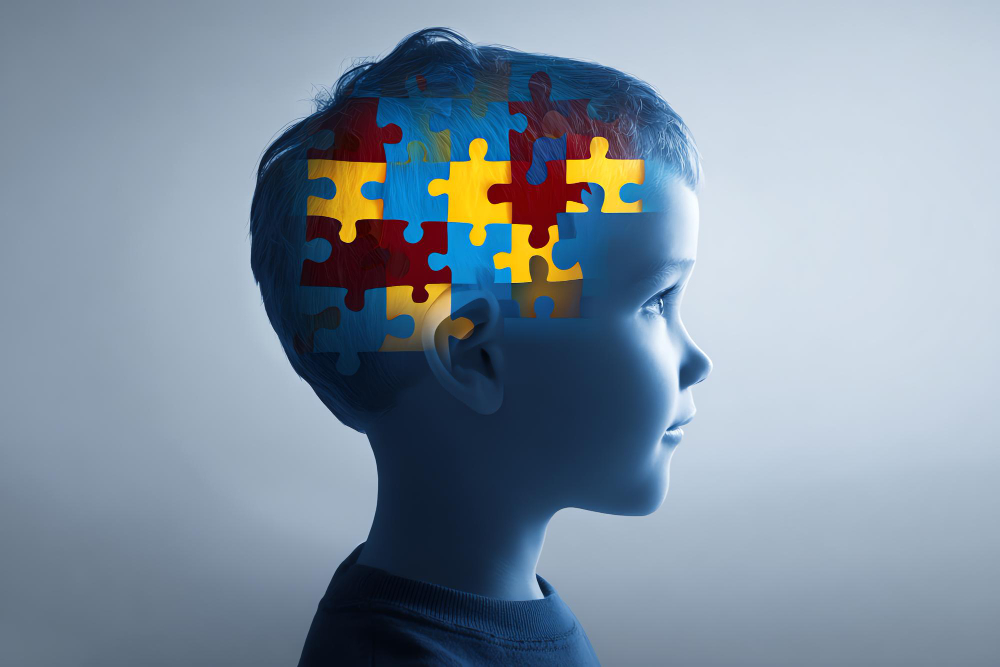
Introduction to Autism
Autism, also called autism spectrum disorder (ASD), is a condition that affects how people think, learn, and interact. Many families look for natural autism treatments, including homeopathy for autism, to help their loved ones. According to the CDC, about 1 in 36 children in the United States has autism. While symptoms can vary, most people with autism have trouble with social skills and communication. For example, some may avoid eye contact or have trouble understanding how others feel. Others might repeat actions or words, or have strong reactions to certain sounds or lights. Because autism is a spectrum, each person’s experience is unique. Early support can help children learn and grow in their own way.
Overview of Homeopathy
Homeopathy is a type of natural medicine that started over 200 years ago. It is based on the idea that “like cures like.” This means a substance that causes symptoms in a healthy person may help treat those same symptoms in someone who is sick. Unlike conventional medicine, which often uses strong drugs, homeopathy uses very small amounts of natural substances. These are made from plants, minerals, or animals. Homeopathic remedies are prepared by diluting the substance many times. As a result, the final remedy contains only a tiny amount of the original ingredient. Some people choose homeopathy because they want gentle, natural treatments. However, homeopathy is different from herbal medicine or vitamins. It is important to know that homeopathy is not a replacement for medical care from a doctor.
Homeopathic Approaches to Autism
Many families explore homeopathy for autism as a natural approach. Homeopaths select remedies based on each person’s unique symptoms and behaviors. For example, a child who is very shy and avoids people may get a different remedy than a child who is restless and active. Some common homeopathic remedies for autism include:
Because homeopathy is highly personalized, a trained homeopath will ask many questions before choosing a remedy. The process may take time, and results can vary. Some families notice changes in sleep, mood, or behavior, while others may not see much difference. Even so, many parents value the gentle nature of homeopathic remedies.
Scientific Evidence and Safety
When looking at homeopathy for autism, it is important to consider the science. So far, large studies have not shown strong evidence that homeopathy can treat autism. The World Health Organization and the CDC both say that more research is needed. Some small studies and case reports suggest possible benefits, but these are not enough to prove that homeopathy works for autism. Most experts agree that homeopathy is generally safe when used as directed. Because the remedies are very diluted, side effects are rare. However, families should always talk to their doctor before starting any new treatment. This is especially true if a child is already taking medicine or has other health needs. Never stop or change prescribed treatments without medical advice.
Integrating Homeopathy with Other Therapies
Many families use homeopathy along with other autism interventions. For example, some children receive speech therapy, occupational therapy, or behavioral therapy. Adding homeopathic remedies for autism may help some families feel they are doing all they can. However, it is important to keep all care providers informed. This way, everyone can work together and watch for any changes. Some parents find that combining natural autism treatments with standard therapies helps their child’s overall well-being. Even so, homeopathy should not replace proven therapies or medical care. Instead, it can be one part of a larger support plan.
Lifestyle and Support Tips for Families
Living with autism can bring both challenges and joys. While treatments like homeopathy for autism may help, daily routines and support are also important. Here are some tips for families:
With the right support, children with autism can thrive and reach their potential, consult at Sindhu’s Homeohub for personalised treatment approach.